
Top-Rated Tempe Roofers | Zona Roofing
Tempe is one of the older, more built-out cities in the Valley, and its roofs reflect decades of development around Arizona State University. The housing stock runs from 1950s and 1960s ranch homes near downtown and the university to 1980s and 1990s tile subdivisions in South Tempe — much of it now on aging shingle or failed underlayment, and a large share of it rental property where deferred maintenance is the norm.
Add relentless UV, monsoon wind funneling across the flat valley floor, and dust storms off the surrounding metro, and you get the failure patterns Zona Roofing has worked here for over eight years. This page covers our roof replacement, repair, insurance claim, and commercial roofing services in Tempe.
The Arizona climate is hard on every roof, and Tempe’s flat, dense, fully-developed setting adds its own pressures. Summer surface temperatures push past 110 degrees, and wide day-to-night swings drive the expansion-and-contraction cycling that cracks tile, fatigues flashing, and embrittles underlayment. Monsoon storms drive rain sideways across the open valley floor, and dust storms grind grit into every seam. On the older flat and low-slope roofs near downtown, small coating or flashing failures turn into interior leaks fast.
Age and use complicate diagnosis. A 1960s ranch home near ASU may be on a roof that’s been patched repeatedly across decades of rental ownership, hiding active leaks under layered repairs. A South Tempe tile home from 1990 looks fine from the street while its underlayment has failed. And landlords and investors need straight, prioritized assessments — what must be fixed now versus what can be planned — not a one-size sales pitch.
A contractor who hasn’t worked Tempe misreads these roofs — patching over dead underlayment, missing failed flat-roof coatings on older homes, or not recognizing how deferred maintenance on rentals masks deeper problems. Zona Roofing knows Tempe’s mix of owner-occupied and investment property, and we tailor the assessment to the situation.
Zona Roofing provides full residential and commercial roofing in Tempe: replacement, repair, insurance claim work, and commercial systems — including rental and investment property.
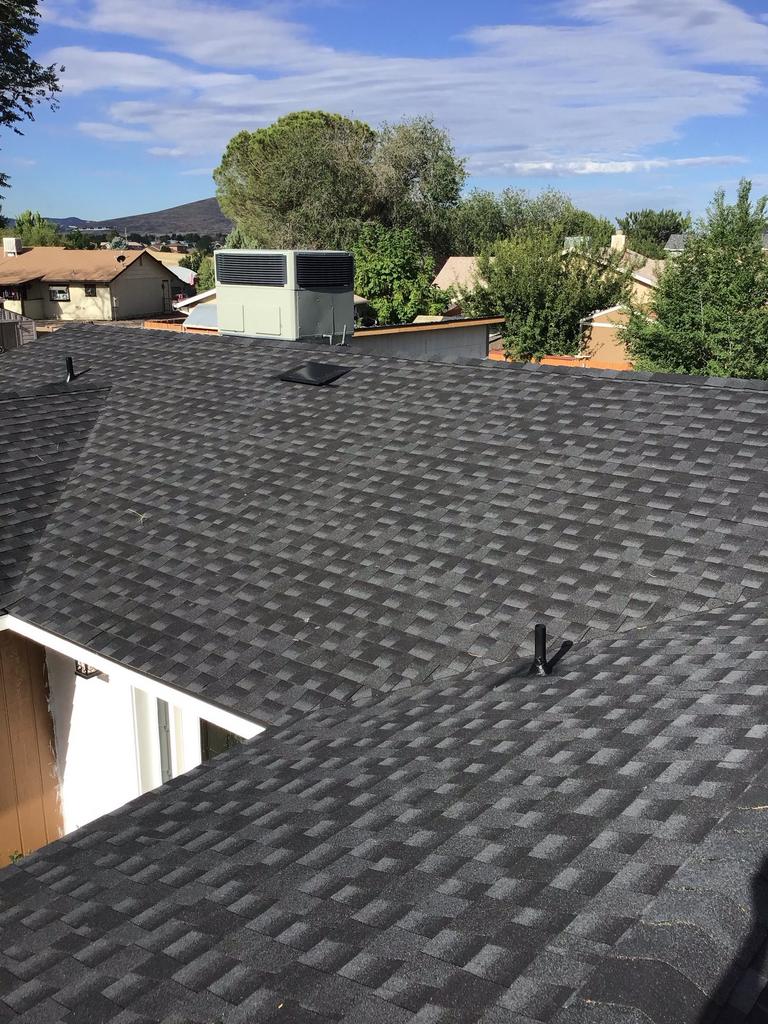
In South Tempe’s tile subdivisions, the most common replacement is a tile underlayment replacement — lift the tile, tear off the failed underlayment, install a modern synthetic or two-ply system, and reset the original tile to meet HOA color and profile rules. On older near-downtown homes, we install new shingle, tile, or foam, and re-roof flat sections as needed. We install asphalt shingle, concrete tile, clay tile, and spray foam, with a straight lifetime-cost comparison for your specific house.
We’re Owens Corning Platinum Certified, Malarkey Emerald Pro Certified, and GAF Certified — three credentials very few Arizona contractors hold at once — which lets us offer warranty options up to 50 years depending on the system. Financing is available: 0 payments for 12 months, low interest rates, and low monthly payments, subject to credit approval — useful for both homeowners and investors managing multiple properties.
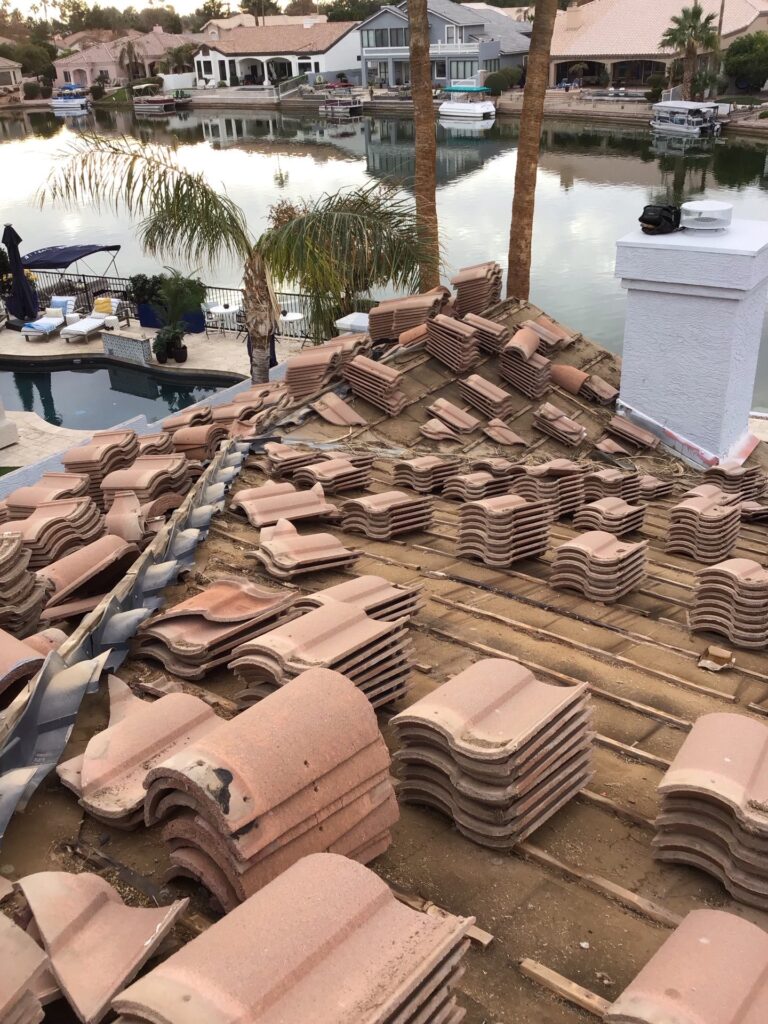
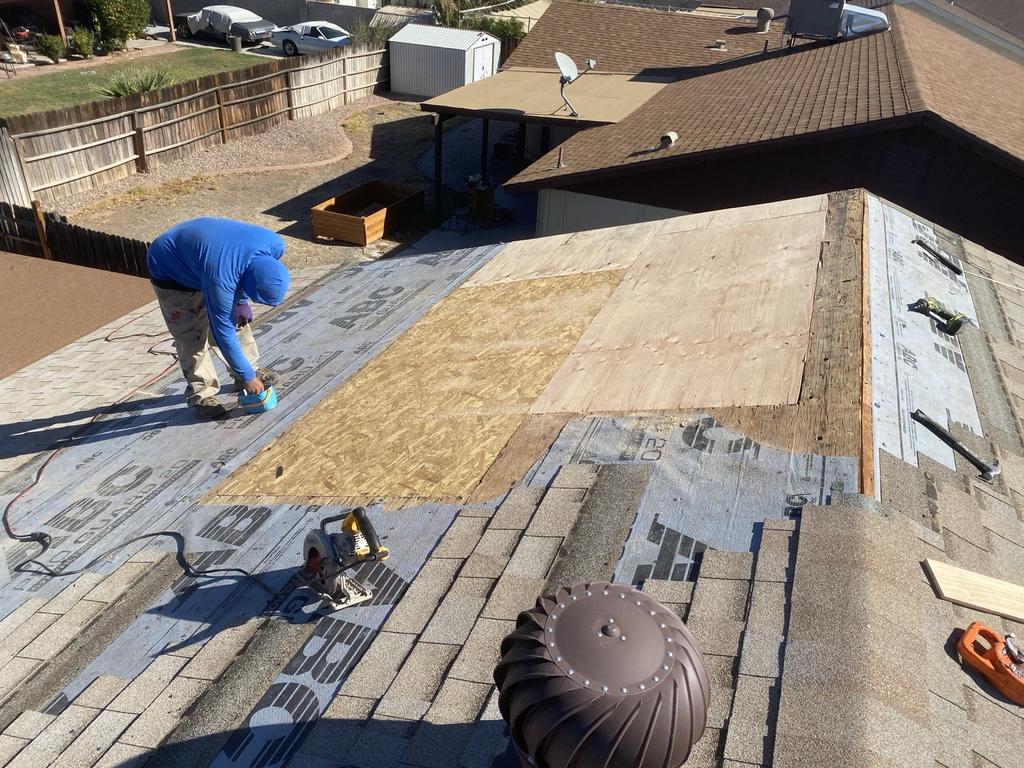
The repairs we see most in Tempe are wind-displaced and cracked tile after monsoon storms, flashing failures around HVAC penetrations and skylights, failed coatings on older flat and low-slope roofs, and slow underlayment leaks that surface as ceiling stains months later. On rentals and older homes, leaks frequently trace to deferred maintenance finally catching up rather than a single event.
A repair done right buys you years; a repair done by a one-truck operator usually buys one monsoon. We inspect the surrounding field every time, because a leak rarely sits in isolation. When the underlayment or coating is at end of life, we tell you plainly — and for landlords, we prioritize repairs by urgency so you can budget across a portfolio.
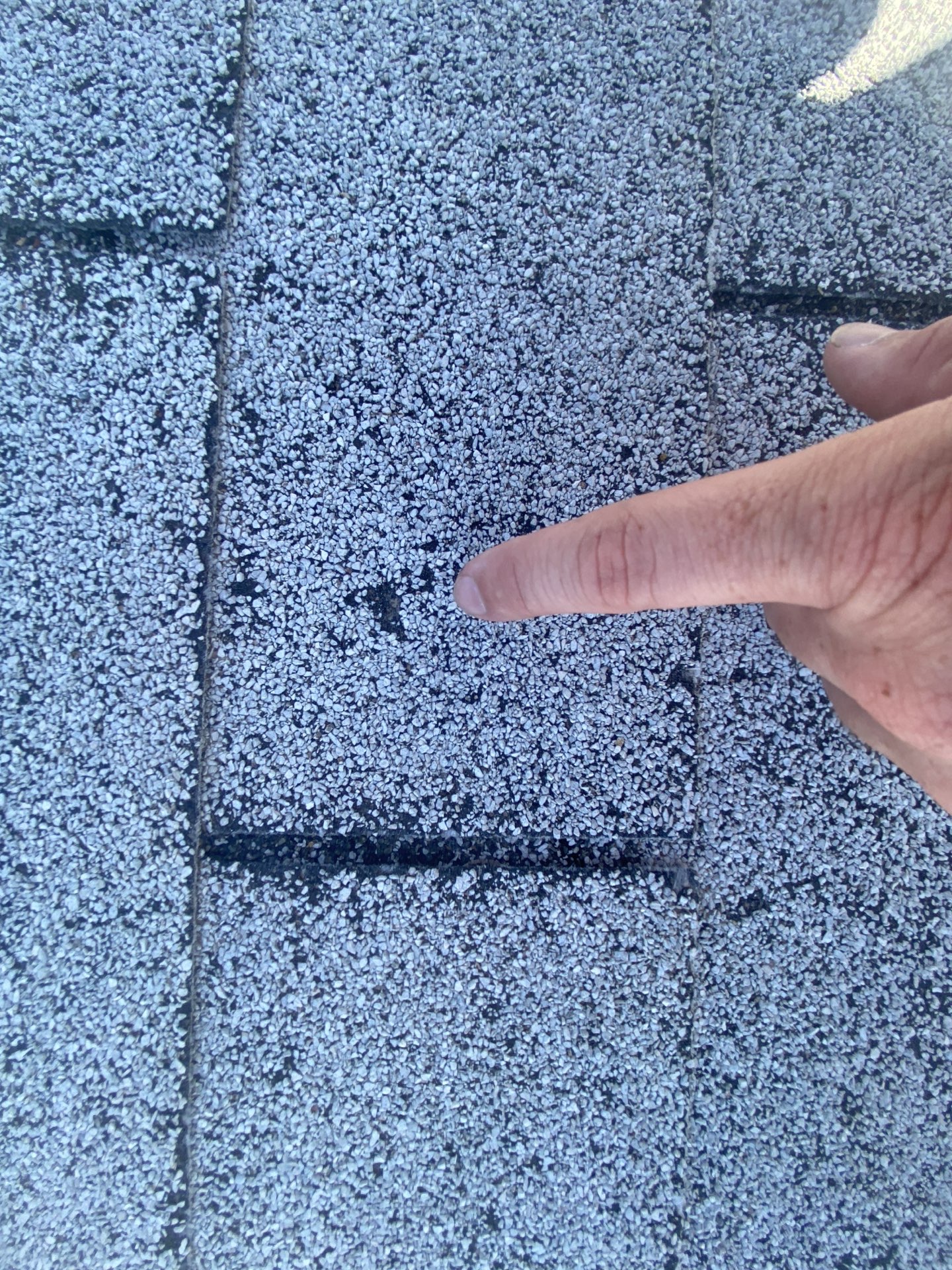
Most Tempe storm claims come from monsoon wind events — displaced and broken tile, torn flashing, failed coatings, and occasionally hail. Much of this damage isn’t visible from the ground, so homeowners and property owners often don’t know they have a claim until a proper inspection finds it.
We perform free inspections, document damage with photographs and measurements, and meet with your insurance adjuster on-site when possible. We write the roofing scope to align with carrier requirements, which keeps claims moving instead of getting denied or underpaid. You handle your deductible; we handle the documentation and materials on the roofing side.
Tempe is a city of roughly 185,000 people in the heart of the Phoenix metro in Maricopa County, surrounded by Phoenix, Mesa, Chandler, and Scottsdale. Founded in the 1870s along the Salt River and incorporated in 1894, it’s home to the main campus of Arizona State University, which has shaped the city’s character, density, and housing for over a century. Landlocked by its neighbors, Tempe is fully built out — there’s little new development, so the housing stock is established and aging.
For roofing purposes, that maturity defines the market. Near downtown and ASU, homes date to the 1950s and 1960s — ranch houses with shingle and low-slope roofs, many now student rentals. North Tempe and the older neighborhoods carry decades-old roofs of mixed materials. South Tempe brought larger 1980s and 1990s tile subdivisions, now on underlayment reaching end of life. The heavy concentration of rental and investment property is a roofing factor in itself: many roofs have been maintained minimally for years, so problems often run deeper than they look. Newer subdivisions carry HOAs with material rules; older neighborhoods generally don’t.
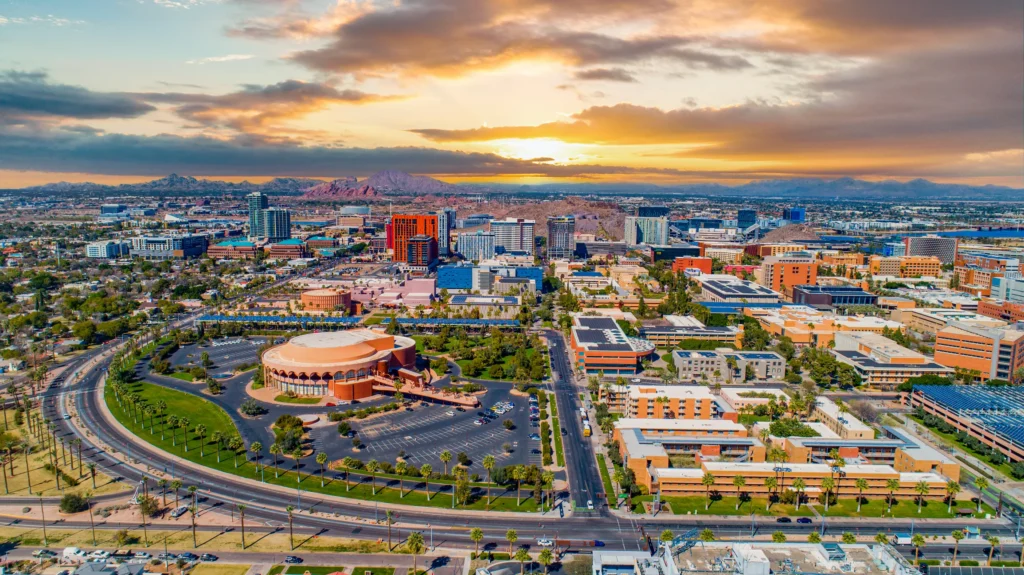
Zona Roofing serves Tempe and the surrounding Maricopa County communities, including Mesa, Chandler, and Phoenix. The way roofs age out here — older near-campus homes, South Tempe tile subdivisions, and a heavy share of rental property — is a pattern our crews work across the central Valley constantly.
Water is the most destructive force a home can encounter, and on Tempe’s aging mix of tile, shingle, and flat roofs — many of them rentals — a roof leak is its most common and most preventable entry point.
The failure points are small. A dried-out sealant bead around an HVAC penetration, a cracked tile on a sun-baked slope, a flashing seam or coating that didn’t survive another summer of heat cycling — any of them lets moisture move silently through insulation, into framing, and across ceiling drywall long before anything shows inside the home.
By the time a water stain appears on a Tempe ceiling, the damage behind the drywall is typically months old, and mold has often already started forming in the cavity. The remediation bill — framing, insulation, drywall, mold treatment — routinely dwarfs the cost of the roof repair that would have prevented it, and on rental property it can also mean displaced tenants.
Tempe’s conditions accelerate every part of this. Relentless valley-floor UV, wide day-to-night temperature swings, and monsoon winds across open terrain dry out sealants and fatigue flashings faster than manufacturers assume in their warranty timelines. When flashings are resealed on schedule, damaged tiles and coatings are addressed before monsoon season, and roof penetrations are inspected annually, the pathways water uses to enter a structure simply don’t exist. Maintenance doesn’t just protect your roof — it protects everything underneath it.

2224 W Desert Cove Unit 208
Phoenix, AZ 85029