Best San Tan Valley, Arizona Roofers | Zona Roofing
Roofing Solutions Built For San Tan Valley, AZ Homes
- Designed for heat, wind, and monsoon conditions
- Licensed and insured local roofing experts
- Serving the Valley since 2017
- 80+ verified 5-star reviews
Schedule your Free
Roof Inspection
Roofing Company in San Tan Valley, AZ — Replacement, Repair & More
San Tan Valley grew up almost entirely in one stretch of time. Johnson Ranch — the community that started it all — was built from the late 1990s through the 2000s, and the master-planned neighborhoods that followed went up in the same window. That means San Tan Valley’s terracotta tile roofs are now reaching the age where the underlayment beneath the tile fails, even though the tile still looks new. Sitting on the open desert floor southeast of Phoenix, this area also takes some of the Valley’s most violent monsoon dust storms. Zona Roofing has worked San Tan Valley’s roofs for over 8 years, and this page covers our roof replacement, repair, insurance claim, and commercial roofing services here.
Schedule Your FREE Roof Inspection Today
Why San Tan Valley Homeowners Need a Local Roofing Expert
San Tan Valley has a concentrated roof-age problem, because so much of it was built at once. Johnson Ranch alone holds just over 6,000 homes, and communities like Copper Basin, San Tan Heights, and Circle Cross Ranch filled in around the same era. Tile can last 50 years, but the felt or synthetic underlayment under it — the layer that actually keeps water out — typically lasts only 20 to 25 years in Arizona heat. Whole neighborhoods here are crossing that line together, which is why so many San Tan Valley homeowners are dealing with roof issues at the same time.
The location intensifies it. Out on the open desert southeast of Phoenix, San Tan Valley sits squarely in the path of haboobs — the towering dust storms that roll off collapsing monsoon thunderstorms with walls of grit thousands of feet high and 60-plus mph winds. That blowing dust packs into tile valleys and holds moisture against the roof deck, while the wind lifts and cracks tile along the long rooflines of one- and two-story desert homes. Add summer roof-deck temperatures well above 160 degrees and underlayment ages even faster than the calendar suggests.
San Tan Valley is also dense with HOA-governed master-planned communities, each with rules on tile profile, color, and material. A local roofer knows these standards before quoting, so your replacement matches what’s already approved instead of forcing an expensive redo. Because San Tan Valley is in Pinal County rather than Maricopa, it’s also frequently skipped or under-served by Phoenix-based generalists — Zona Roofing works here regularly and knows the area’s housing stock firsthand.
Roofing Services We Offer in San Tan Valley, AZ
We provide the full range of residential and commercial roofing services across San Tan Valley, from single-tile repairs to full replacements and storm-damage insurance work.
Roof Replacement in San Tan Valley
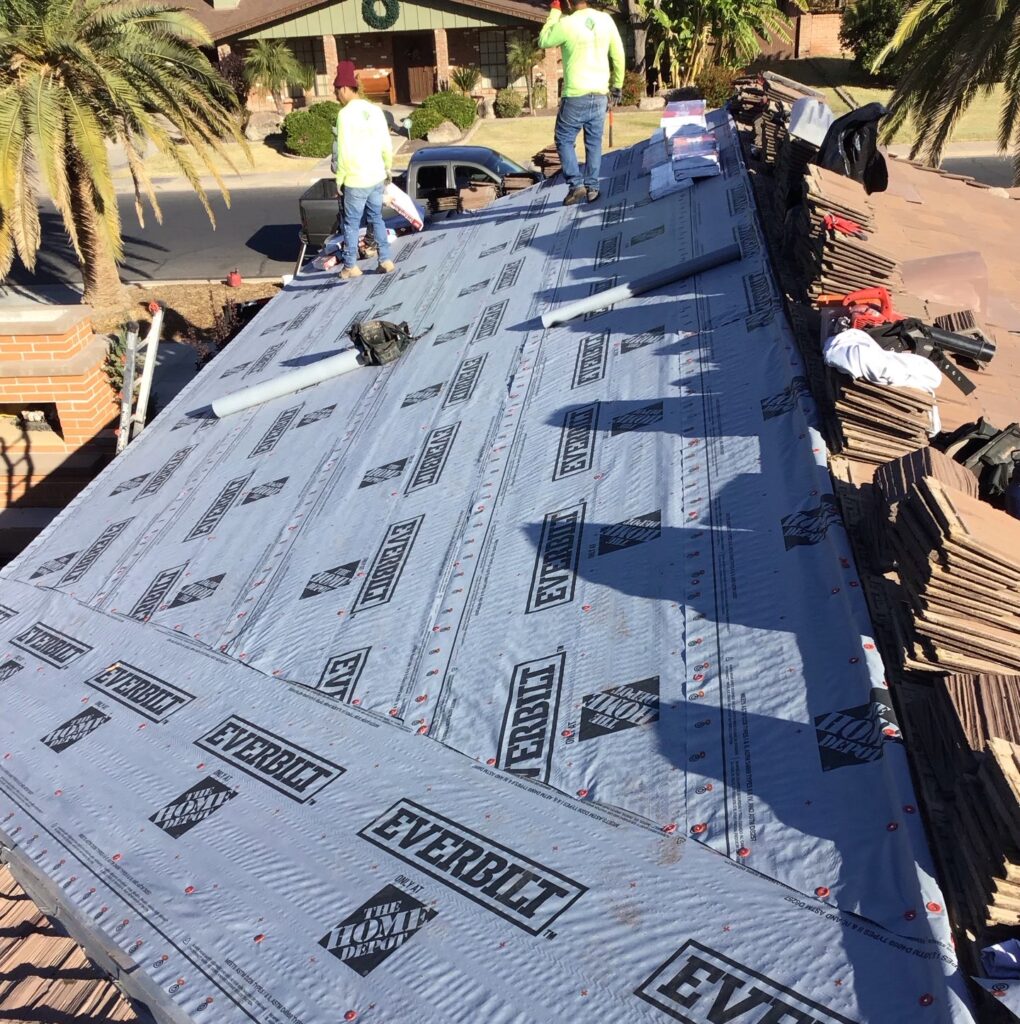
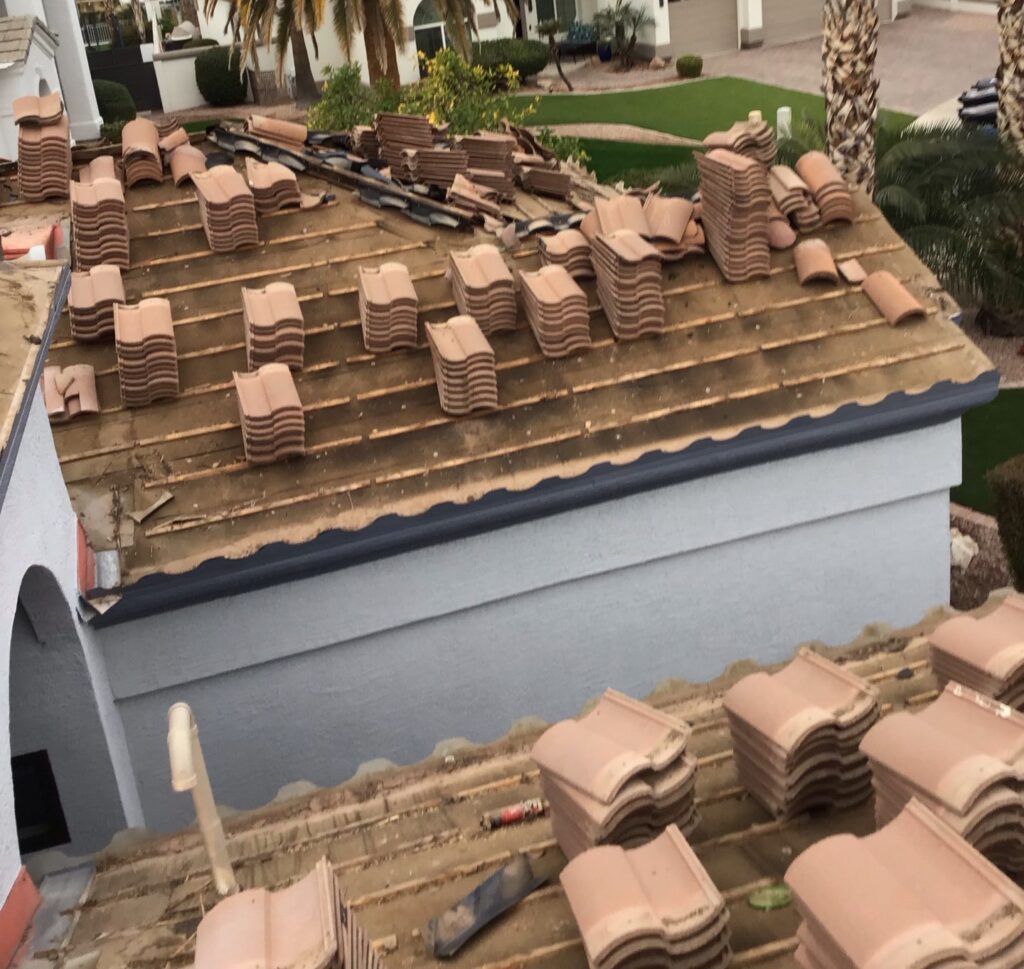
With so many San Tan Valley roofs hitting end-of-underlayment life at the same time, replacement is often smarter than paying for repeat repairs. On the terracotta tile roofs common throughout Johnson Ranch and the surrounding communities, we can frequently perform an underlayment replacement — lifting and re-setting your existing tile over new, code-current waterproofing. That preserves the HOA-approved look while restoring the roof’s real lifespan at a lower cost than a full tear-off.
As an Owens Corning Platinum Certified, Malarkey Emerald Pro Certified, and GAF Certified contractor, Zona Roofing can register manufacturer-backed warranty options up to 50 years — coverage only certified installers can offer. We also provide financing with 0 payments for 12 months, low interest rates, and low monthly payments (subject to credit approval), so an aging roof can be replaced before a monsoon storm forces the decision.
Roof Repair in San Tan Valley
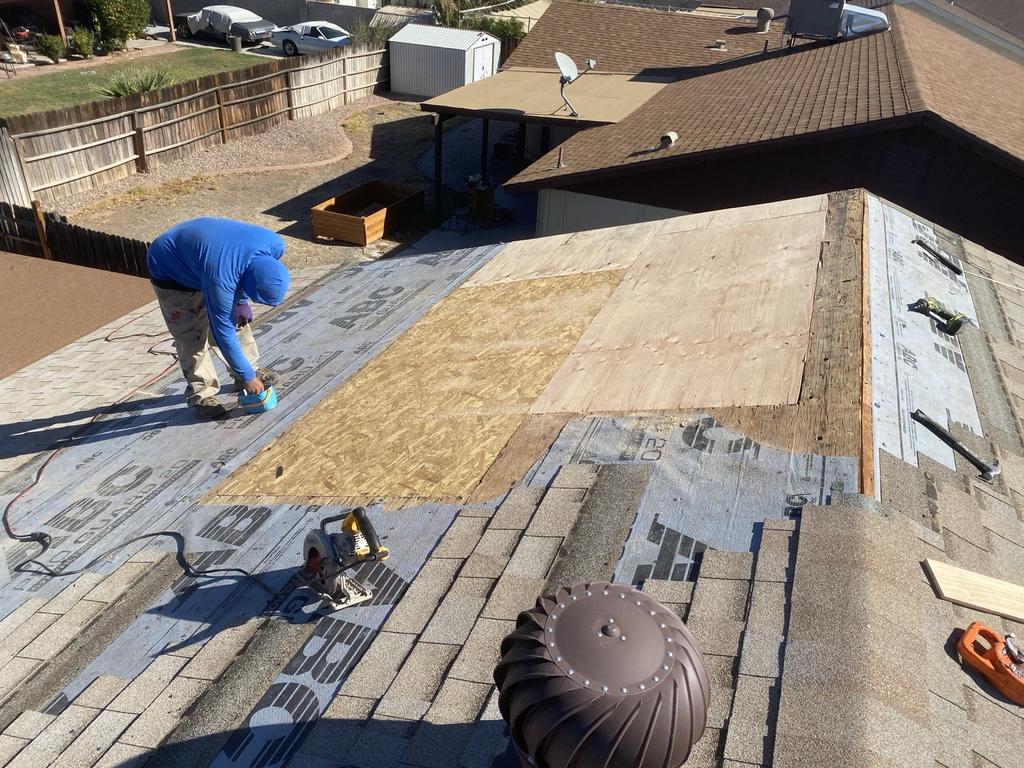
The most common San Tan Valley repair calls are wind-slipped or cracked tiles after dust storms, failed flashing around vents and chimneys, and brittle, dried-out underlayment at valleys. Dust driven by haboobs is a quiet culprit, collecting in valleys and behind tile where it traps moisture against the deck and works slowly through the waterproofing.
On tile roofs, the point where water enters is often several feet from where the ceiling stain shows up, so we trace the real source instead of just sealing what’s visible. Timing matters most heading into and during monsoon season, when a single lifted tile can become interior drywall damage in one storm. When a roof is past worthwhile repair, we’ll tell you plainly rather than sell you another patch.
Roofing Storm Damage & Insurance Claim in San Tan Valley
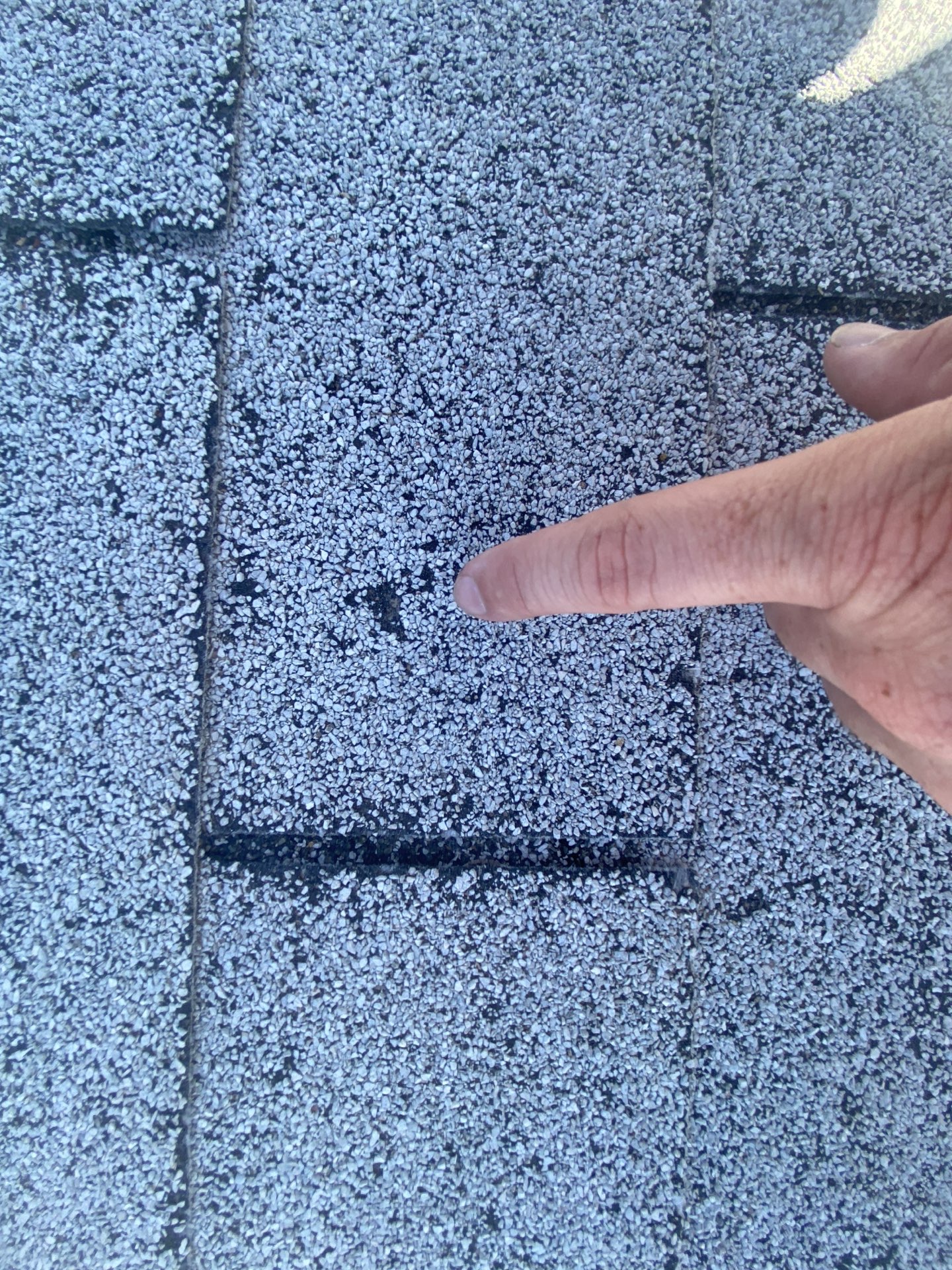
Monsoon microbursts and dust storms are the leading cause of roof insurance claims in San Tan Valley, and wind-lifted tile or torn shingles often qualify for coverage homeowners didn’t know they had. The challenge is documenting storm damage versus normal aging — something insurers scrutinize closely in an area full of 20-year-old roofs.
Zona Roofing inspects the roof, documents the damage thoroughly with photos, and works alongside you through the claims process so the approved scope matches what the roof actually needs. We’ve helped homeowners across the East Valley and Pinal County navigate this for over 8 years and can meet your adjuster on-site. Outcomes depend on your carrier, but we make sure your roof’s true condition is clearly on the record.
Frequently Asked Questions — Roofs in San Tan Valley
How much does a roof replacement cost in San Tan Valley, AZ?
What financing and warranty options does Zona Roofing offer?
How long does a tile roof actually last in San Tan Valley's climate?
My roof was damaged in a monsoon storm. Will my insurance cover it?
About San Tan Valley, AZ
San Tan Valley is an unincorporated community in northern Pinal County, about 47 miles southeast of Phoenix, near the San Tan Mountains. It went from open desert to one of Arizona’s larger communities in barely two decades — the population reached 99,894 at the 2020 census, almost all of it arriving through master-planned subdivisions.
Johnson Ranch, built from the late 1990s onward, was the first and remains one of the largest, with just over 6,000 homes, nearly 20,000 residents, and golf and recreation amenities; Copper Basin, San Tan Heights, and Circle Cross Ranch followed in the same era. Most of these homes are one- and two-story desert designs with terracotta tile roofs.
That history — a huge wave of homes built in a narrow window, now all aging together under intense sun and monsoon dust — is exactly why so many San Tan Valley roofs need attention at once, and why local roofing experience matters here.
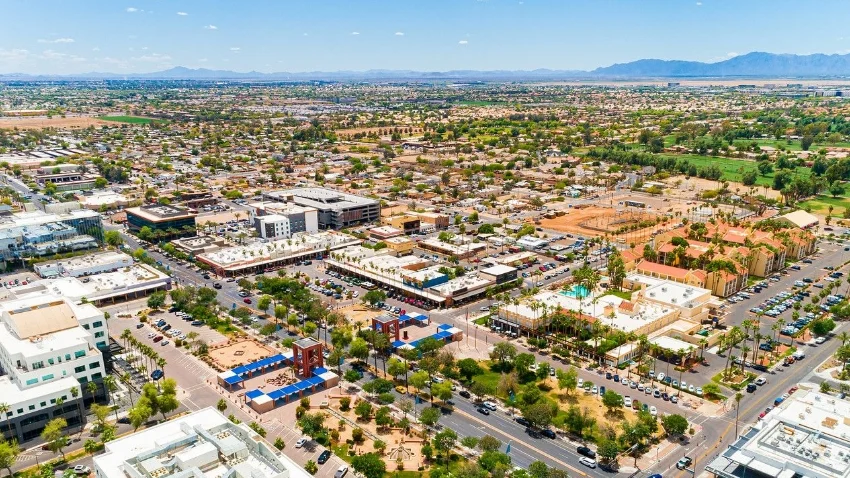
Serving San Tan Valley and Surrounding Areas
Zona Roofing serves San Tan Valley and the surrounding region, including neighboring Queen Creek, Florence, and Apache Junction, along with communities across the East Valley and Pinal County. Wherever you are in the area, you get the same licensed, certified crew and the same standard of work.
Zona Roofing's Maintenance Program
Water is the most destructive force a home can encounter, and in Chandler — where the housing stock spans established neighborhoods near downtown, mature subdivisions along the Price Road corridor, and newer master-planned communities like Ocotillo and Fulton Ranch — a roof leak is its most common and most preventable entry point. What starts as a minor intrusion point — a failed sealant around an HVAC curb, a cracked tile on a south-facing slope, a flashing seam that lifted during a monsoon and never fully reseated — allows moisture to move silently through insulation, into framing, and across ceiling drywall long before it becomes visible inside the home.
By the time a water stain appears on the ceiling of a Chandler home, the damage behind the drywall is typically months old and mold has often already begun forming in the cavity. Remediation costs for water-damaged framing, insulation replacement, drywall repair, and mold treatment routinely run two to three times the cost of the roof repair that would have prevented it.
Chandler’s older neighborhoods near downtown and the Price corridor are home to roofs that are well past their first major service interval, while newer builds in Ocotillo and Fulton Ranch are approaching the age where underlayment begins to show its first signs of wear. Both situations call for the same solution. When flashings are resealed on schedule, cracked tiles are replaced before monsoon season, and penetrations around HVAC equipment are inspected annually, the pathways water uses to enter a structure simply don’t exist. Maintenance doesn’t just protect your roof — it protects everything underneath it.