Shingle Roof Replacement The Valley's Preferred Roofing Company for Roof Replacement
Shingle Roof Replacement in Phoenix, AZ
In Phoenix, asphalt shingles age faster than the warranty on the box promises. Relentless UV, 150-degree roof-deck temperatures, and monsoon wind strip the protective granules, curl the edges, and crack the mat years before the same roof would fail in a milder climate. Once that breakdown is widespread, patching stops paying off and a full re-roof is the smarter money. Zona Roofing has replaced shingle roofs across the Phoenix metro for over 8 years, and we install systems built to survive Arizona sun — not just pass a quick inspection. This page covers when a shingle roof is truly done, what we install, and what replacement costs.
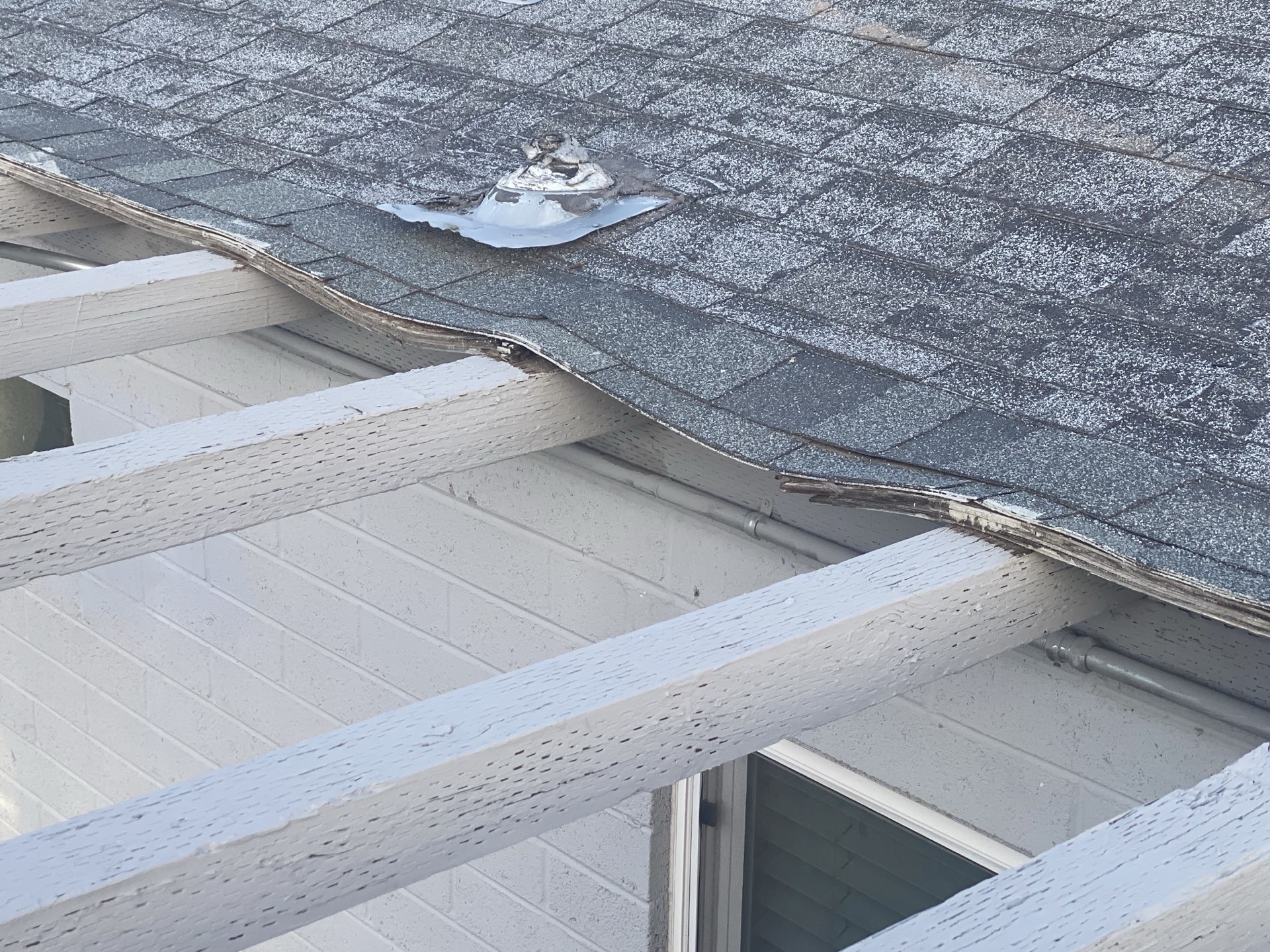
Signs Your Shingle Roof Needs Replacement
A shingle roof rarely fails all at once. It tells you it’s at the end of its life over a couple of seasons, and the signs below point to a full replacement rather than another patch.
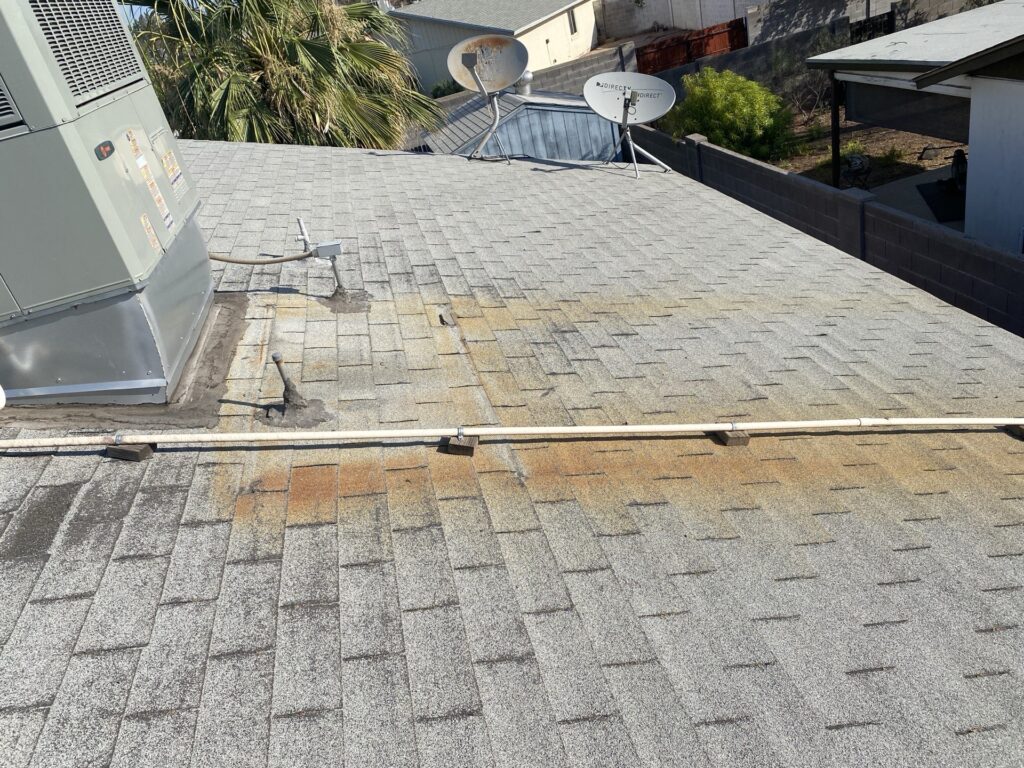
- Granules collecting in your gutters and at the base of downspouts, with bald, shiny patches where the asphalt mat is now exposed to direct sun.
- Widespread curling, cupping, or clawing across entire slopes — not just a lifted edge here and there.
- Shingles that are brittle and crack or crumble when handled instead of flexing.
- Repeated leaks, or two or more repairs in the last few years that keep moving to new spots.
- A roof that’s 15 to 20-plus years old. Arizona UV ages asphalt shingles faster than the printed warranty term suggests.
- Daylight, water stains, or sagging visible in the attic, which usually means the damage has reached the decking.
If the problem is isolated to one slope or a few shingles, a repair may still be the right call — see our Shingle Roof Repair page. When the wear is spread across the whole roof, replacement is where the value is.
Why Shingle Roofs Wear Out in Phoenix
Asphalt shingles are an oil-based product, and heat is what ages them. On a Phoenix summer afternoon the roof deck can run 150 degrees or hotter, and that heat drives the volatile oils out of the shingle.
As they bake off, the shingle gets stiff and brittle, and the protective granule layer loses its grip and washes into the gutters. That granule loss is the beginning of the end — once the mat underneath is exposed, UV degradation accelerates fast.
Monsoon season finishes the job. Sixty-mile-per-hour gusts catch any shingle that has already curled or lost its seal and peel it back or tear it off, and the blowing dust scours the surface year-round. The result is a roof that hits the end of its service life in Phoenix noticeably sooner than the 25- or 30-year rating implies for cooler parts of the country.
By the time a shingle roof shows these signs across most of its surface, spot repairs are just buying months. A full replacement resets the clock with a new system designed for this climate and backs it with a real warranty.
Our Shingle Roof Replacement Process
Every replacement starts with a full inspection. We get on the roof, document the condition, check the attic and decking for moisture and damage, and give you a clear scope and a written estimate — no guesswork and no surprise add-ons mid-job.
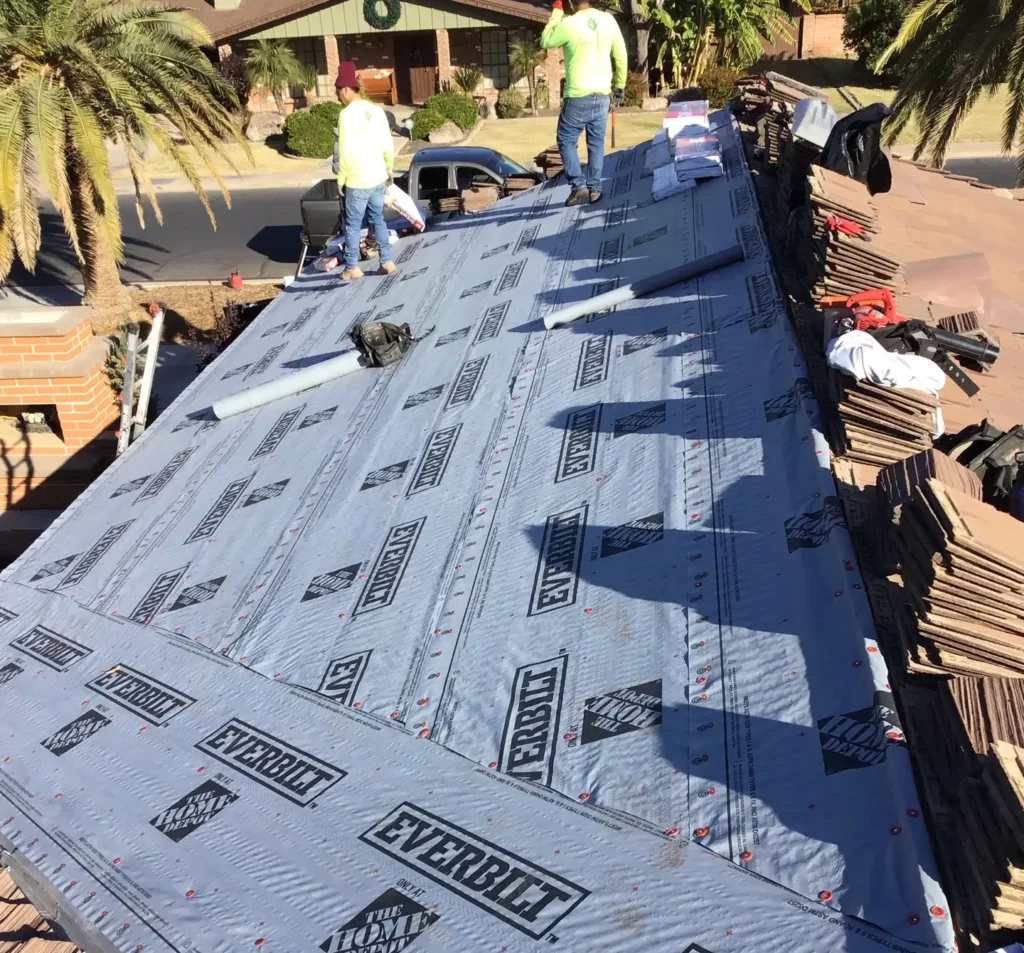
On install day, we tear off the old shingles down to the deck. This matters: laying new shingles over old ones traps heat and hides rot, and it’s a corner we don’t cut. With the deck exposed, we inspect it and replace any damaged or soft sheathing before anything new goes down.
Then we install the full system — a quality underlayment, proper ice-and-water protection in the valleys and at penetrations, new flashing, and the shingles themselves, all installed to manufacturer spec so your warranty actually holds.
Most Phoenix homes are a one-to-two-day job depending on size, pitch, and access. We protect your landscaping and pool, run a magnet for stray nails, and haul away every scrap of the old roof. You get a clean property and a roof built to handle Arizona sun.
Frequently Asked Questions — Roof Replacement in Phoenix
How much does it cost to replace a shingle roof in Phoenix?
Should I repair or replace my shingle roof?
How long does an asphalt shingle roof last in Arizona?
What kind of warranty comes with a new shingle roof?
Related Roofing Services
If the damage is isolated rather than widespread, a repair may be enough — see our Shingle Roof Repair page.
Considering a different material for your re-roof? Compare options on our Tile Roof Replacement page.
We replace shingle roofs throughout Phoenix and the surrounding Maricopa County metro, including Scottsdale, Mesa, and Tempe — see our service-area pages for those cities.
Zona Roofing Maintenance Program
Protecting your roof doesn’t stop after installation. Zona Roofing offers affordable annual maintenance programs designed to keep your roof performing at its best year-round — starting at just $199. Depending on your roof type, your plan includes a full service inspection, debris clearing, priority scheduling, a 5% discount on all future services, and for tile roofs, hands-on repairs like replacing broken tiles and sealing penetrations before small issues become costly ones. In a climate like Phoenix — where summer heat, UV exposure, and monsoon season put your roof to work every single year — routine maintenance is the smartest investment you can make between replacements.
TILE OR SHINGLE ROOF: OPTION #1
- Full service roof inspection
- Blow off and clear debris throughout the roof
- Priority Scheduling - Get in front of the line
- 5% discount on all future services
TILE OR SHINGLE ROOF: OPTION #2
- Full service roof inspection
- Replace/Reattach up to 10 broken or slid tiles
- Repair mortar balls as needed
- Blow off and clear debris throughout the roof
- Tar and seal penetrations
- Priority Scheduling - Get in front of the line
- 5% discount on all future services
FLAT ROOF: OPTION 3
- Full service roof inspection
- Blow off and clear debris throughout the roof
- Priority Scheduling - Get in front of the line
- 5% discount on all future services